
SCIENCE, SOFTLY EXPLAINED
The truth behind wellness shots
Turmeric, ginger and pepper: how do we separate the appeal of a small daily ritual from what research actually shows about absorption, benefit and safety?
Key takeaways
- Greater absorption of an ingredient does not prove a health benefit.
- Curcumin studies use specific doses and formulations, not every homemade shot.
- Enjoying a ritual and evaluating its scientific claims are different questions.
What you swallow is not necessarily what you absorb.
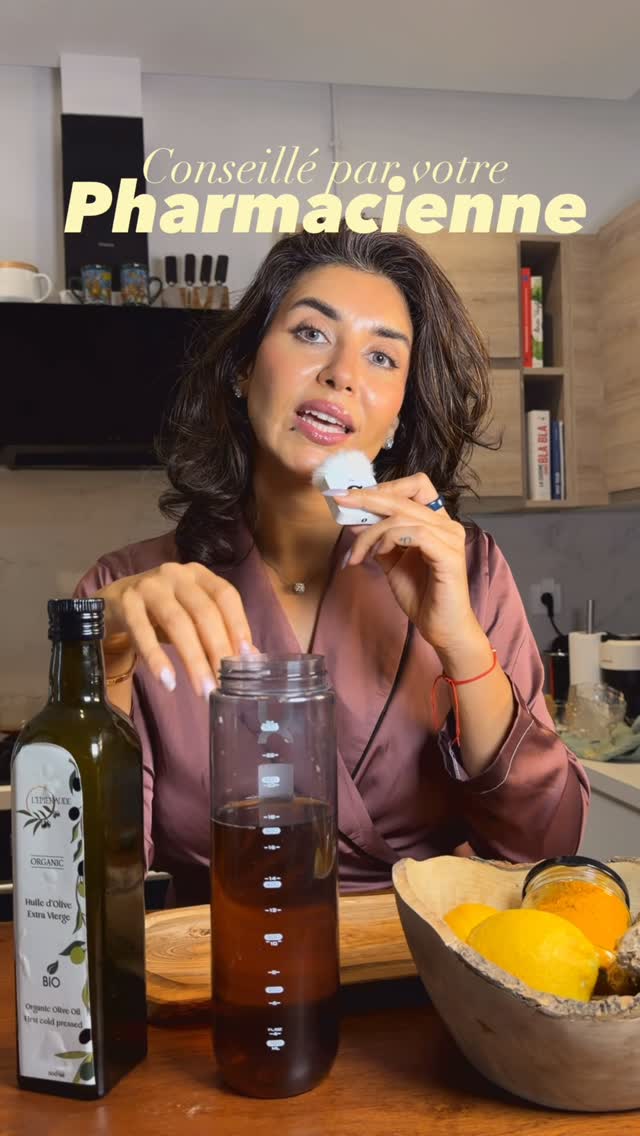
There is something appealing about a vivid little drink made from familiar ingredients. In the Reel I talk about turmeric, ginger and assembling a shot. Turmeric contains curcuminoids, including curcumin, but their presence in a drink does not tell us how much reaches the bloodstream. Bioavailability depends, among other things, on dose, formulation and the person. In a crossover study of 30 adults, blood exposure to curcuminoids differed between the preparations tested. [2]
An earlier study in volunteers found that a specified dose of piperine increased exposure to a specified dose of curcumin. That does not show that a pinch of pepper in a homemade drink has the same effect. A later comparison did not find the curcuminoid–piperine combination superior to a standard extract on the outcome compared. The useful question is not 'Should every shot contain pepper?' but 'Which formulation was actually studied?'. [1][2]
Absorption is not a clinical outcome.
A higher blood concentration is a measure of exposure. It is not, by itself, evidence of better energy, immunity, inflammation or longevity. These pharmacokinetic studies measured substances in blood after a dose, not the health benefit of a daily shot. The US National Center for Complementary and Integrative Health (NCCIH) notes that turmeric-product studies are difficult to compare and do not yet establish a definitive benefit for a particular condition. [1][2][3]
Ginger, citrus, tea or a little fat may make a recipe enjoyable. Combining appealing ingredients, however, is not clinical proof of synergy. A shot can remain a food ritual without being presented as a treatment or a guaranteed protection.
Natural still calls for discernment.
Concentrated preparations are not suitable for everyone. The NCCIH describes possible digestive effects, reports of liver injury with certain highly bioavailable formulations and potential herb–medicine interactions. If you take medication, are pregnant or have a medical condition, seek appropriate advice before using a concentrated product or supplement regularly. A culinary ingredient and a high-dose capsule are not the same thing. [3]
The pharmacist's filter.
Before accepting a wellness promise, ask four questions: what ingredient and dose were used; what outcome was measured in people; does the tested formulation resemble this product; and for whom might it be unsuitable? Those questions do not take the pleasure out of a ritual. They make the choice more informed.
Research and sources
These sources inform the article; their findings are not an individual diagnosis or prescription.
- Shoba et al. (1998), Influence of piperine on the pharmacokinetics of curcumin. Planta Medica. DOI: 10.1055/s-2006-957450 ↗Pharmacokinetic study of specific doses; it did not test homemade shots.
- Fança-Berthon et al. (2021), Curcuminoid pharmacokinetics depend on formulation. Journal of Nutrition. DOI: 10.1093/jn/nxab087 ↗Crossover study in 30 adults comparing blood exposure after different preparations.
- NCCIH — Turmeric: Usefulness and Safety ↗Evidence limitations, possible adverse effects and interaction cautions.
THE RITUALBefore adopting a 'miracle' shot, ask which precise benefit is promised—and which human study supports it.This article is for information only and does not replace medical advice, diagnosis or treatment.Explore all journal articles ↗