
SCIENCE, SOFTLY EXPLAINED
One breath beneath the neroli trees
A minute of breathing can open a space for presence. Here is a flexible way to try box breathing, alongside what research can—and cannot—tell us about it.
Key takeaways
- Box breathing can be adapted to a comfortable pace; breath holds need not be forced.
- Breathing studies test repeated practices, not the medical effect of a single minute.
- Stop if you feel dizzy or uncomfortable and return to your natural breath.
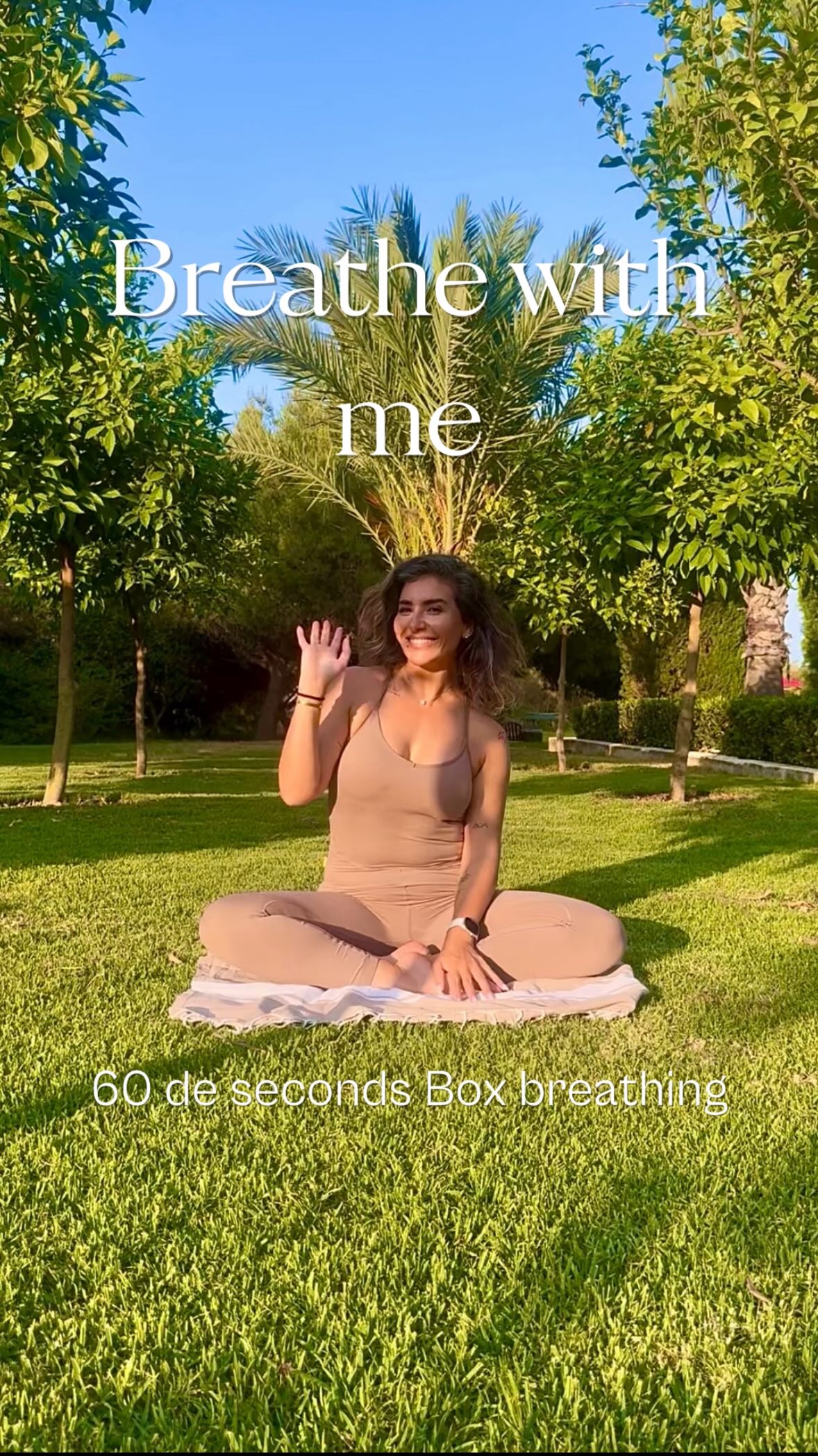
A square of breath, at your own pace.
Among the neroli trees at The Residence Tunis, I invite you to pause long enough to feel one breath. Box breathing offers four landmarks: inhale, pause briefly, exhale, pause again. The Reel suggests a count of four for each side of the 'square', but the count is not a requirement. If holding your breath is uncomfortable, shorten the pause or leave it out.
Find a position that feels easy. Notice where your body meets the ground or chair. Allow a natural inhale, pause only if comfortable and exhale without pushing. After a cycle or two, return to your spontaneous breathing. Notice what has changed—or what has not.
What was actually studied?
A remote randomised trial compared several breathing practices, including box breathing, with mindfulness meditation. Participants practised for five minutes a day over one month. The group using a pattern centred on a longer exhale showed the strongest comparative improvements in mood and respiratory rate. That is an interesting finding about regular practice; it does not prove that one minute of box breathing in a garden treats stress, anxiety or disease. [1]
Breathing can offer a moment of attention without becoming a demand to 'regulate' ourselves perfectly. The NCCIH describes relaxation techniques as complementary approaches, not replacements for needed healthcare. [2]
Presence, not performance.
You may feel calmer; you may notice little change; you may even find counting irritating. All are valid experiences. You can simply listen to your breath, look at the trees or lengthen an exhale gently without holding the air.
If you feel dizzy, tight-chested or uncomfortable, stop and resume normal breathing. Seek medical advice if symptoms persist or concern you. Sometimes care begins with not forcing anything.
Research and sources
These sources inform the article; their findings are not an individual diagnosis or prescription.
- Yilmaz Balban et al. (2023), Brief structured respiration practices enhance mood and reduce physiological arousal. Cell Reports Medicine. DOI: 10.1016/j.xcrm.2022.100895 ↗Five minutes daily for one month; not a test of one isolated minute.
- NCCIH — Relaxation Techniques: What You Need To Know ↗Institutional guidance on relaxation practices and their limits.
THE RITUALTry a cycle at your own pace: inhale, pause if comfortable, exhale, pause if comfortable. Then return to your natural breath.This article is for information only and does not replace medical advice, diagnosis or treatment.Explore all journal articles ↗